
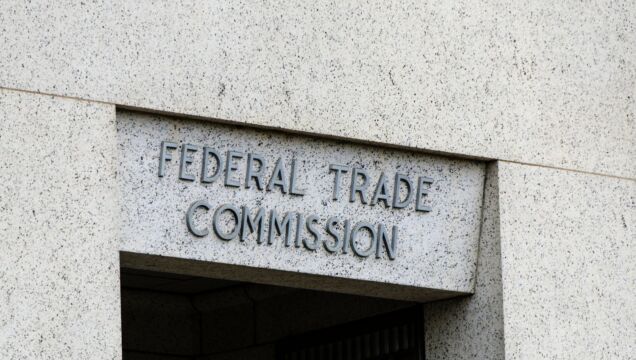
In an increasingly interconnected world, data privacy and cybersecurity are critical areas where the Federal Trade Commission (FTC) plays a pivotal role. As a leading regulatory body, the FTC’s mission includes protecting consumers and promoting competition—both of which intersect significantly with data security practices and privacy policies. This article explores the FTC’s enforcement authority, the implications of the Gramm-Leach-Bliley Act (GLBA) Safeguards Rule, and recent landmark cases that have influenced the legal landscape of data privacy and cybersecurity.
The FTC’s Role in Data Privacy
The FTC derives its authority to enforce data privacy and cybersecurity regulations primarily from Section 5 of the FTC Act. This section prohibits unfair or deceptive acts or practices. This broad mandate enables the FTC to address a wide range of privacy-related issues, from misleading privacy policies to inadequate data security measures.
Over the years, the FTC has issued guidance on best practices for data protection and privacy. This guidance helps businesses align their operations with regulatory expectations. In addition to its enforcement actions, the FTC works to educate consumers about their rights and the risks associated with data breaches. Importantly, the FTC’s enforcement is not limited to private businesses; it also oversees compliance with industry-specific regulations, such as the GLBA for financial institutions.
Insights into the GLBA Safeguards Rule
The Gramm-Leach-Bliley Act (GLBA) imposes specific requirements on financial institutions to protect consumer information. One of the most significant components of the GLBA is the Safeguards Rule. This rule mandates that organizations develop, implement, and maintain a comprehensive information security program.
The FTC’s role in enforcing the Safeguards Rule is critical for legal professionals. Those who work with financial institutions or handle sensitive financial data must ensure compliance. Legal practitioners must conduct risk assessments, identify and mitigate potential vulnerabilities, and implement robust security controls. Non-compliance can result in severe penalties, reputational damage, and loss of client trust.
Recent updates to the Safeguards Rule, effective as of December 9, 2022, have expanded the requirements for covered entities. These changes include appointing a qualified individual to oversee the information security program, conducting regular risk assessments, and implementing multi-factor authentication for sensitive systems. By holding organizations accountable to these standards, the FTC fosters a culture of cybersecurity and privacy.
Landmark FTC Cases Shaping Data Privacy Norms
Several recent FTC cases have significantly influenced the norms and expectations surrounding data privacy and cybersecurity.
One prominent example is the settlement with Equifax following its 2017 data breach. This breach exposed the personal information of approximately 147 million consumers. The FTC’s action resulted in a $575 million settlement and underscored the importance of robust cybersecurity practices for organizations handling large volumes of sensitive data.
Another noteworthy case is the FTC’s settlement with Zoom Video Communications in 2020. The FTC alleged that Zoom engaged in deceptive practices by overstating the security features of its platform. The settlement required Zoom to enhance its security program and implement additional safeguards. This set a precedent for how companies must truthfully represent their cybersecurity measures.
These cases highlight the FTC’s dual focus on enforcement and education. By penalizing organizations that fail to uphold data privacy standards, the FTC deters future violations. At the same time, it reinforces the importance of compliance across industries.
Empowering Professionals to Adapt
The FTC’s enforcement authority, regulatory oversight, and impactful case resolutions are vital in shaping the future of data privacy and cybersecurity. As data privacy laws evolve, understanding the FTC’s role empowers professionals to adapt and protect sensitive information effectively.
Subscribe to our Newsletter
Stay Ahead in the Cyber Law Landscape – Sign Up for Our Newsletter Today and Never Miss an Update from Legal Cyber Academy!